Artwork Identifier
Art styles
How to recognise art styles
Sixteen art movements, in order, with the clues that give each one away and a famous example you can see in a museum.
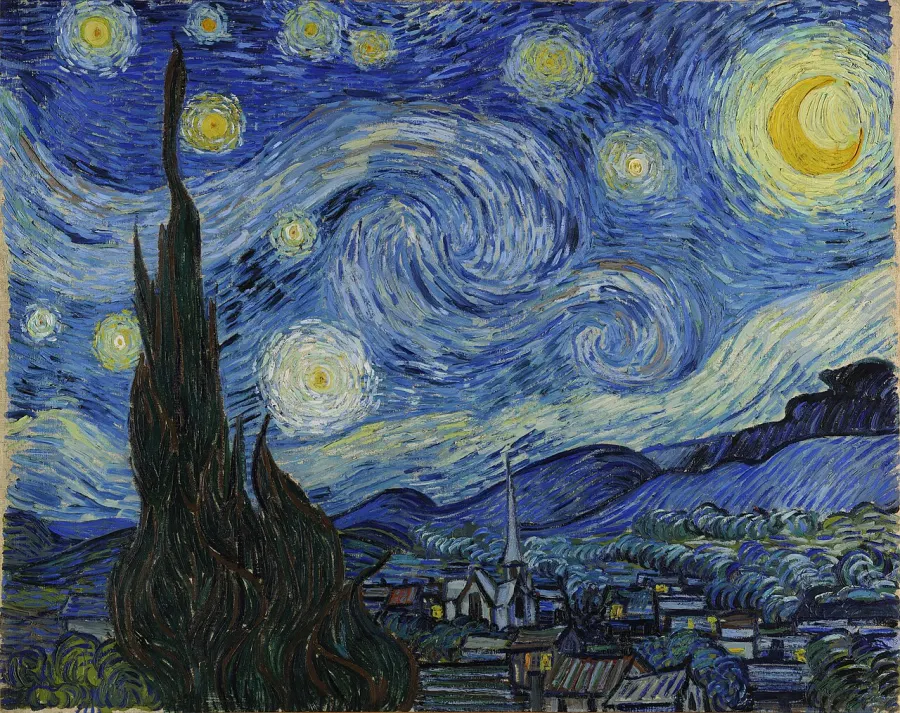
c. 1400–1600
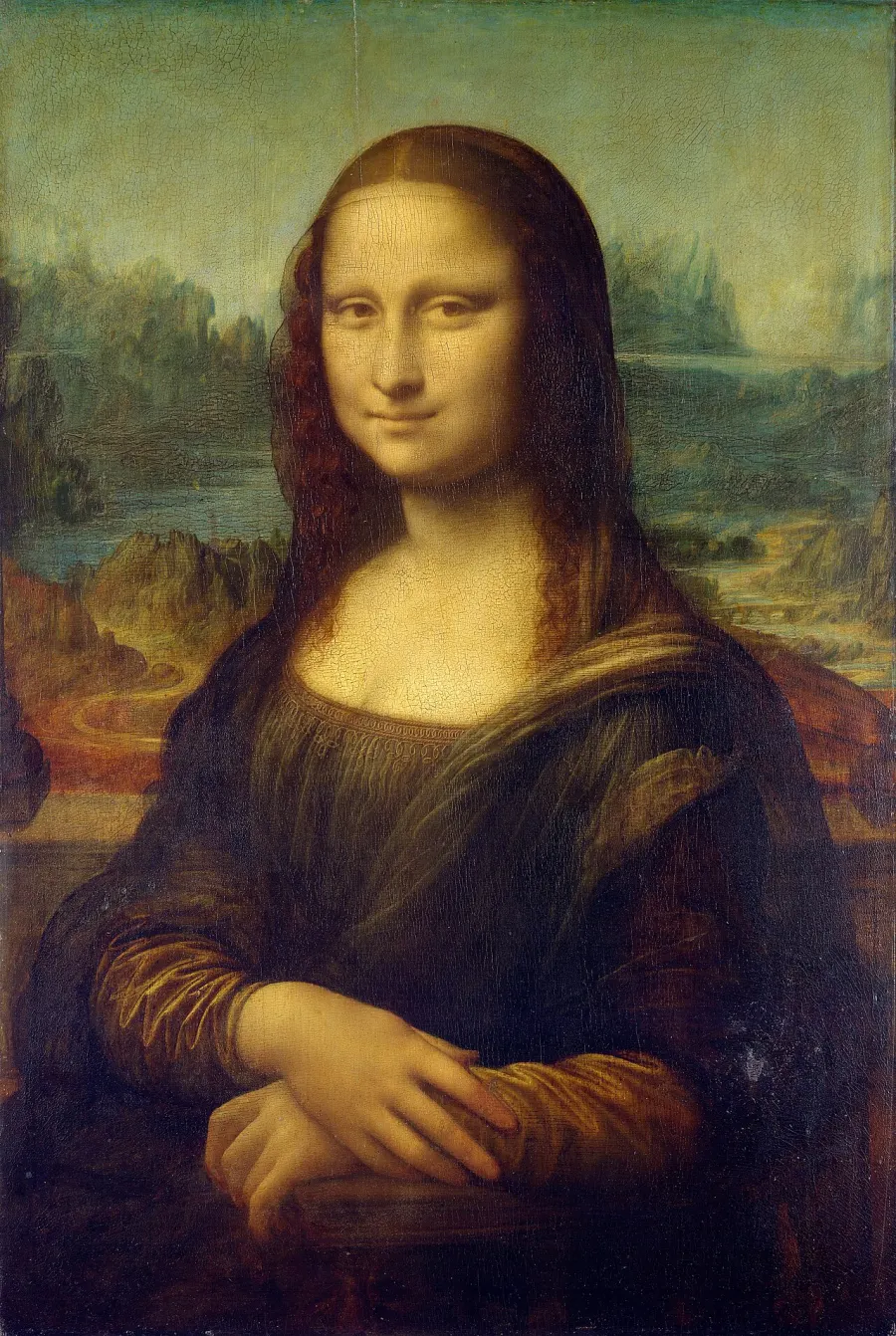
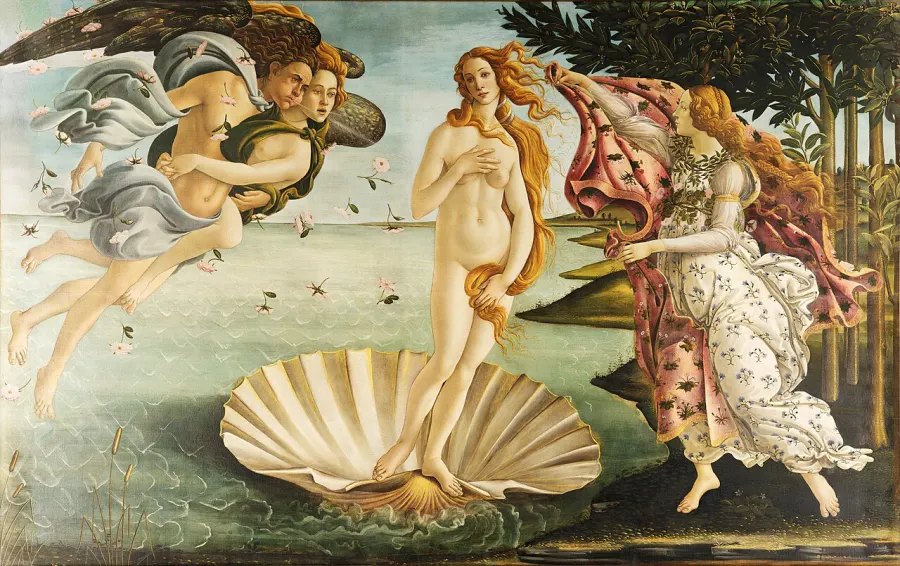
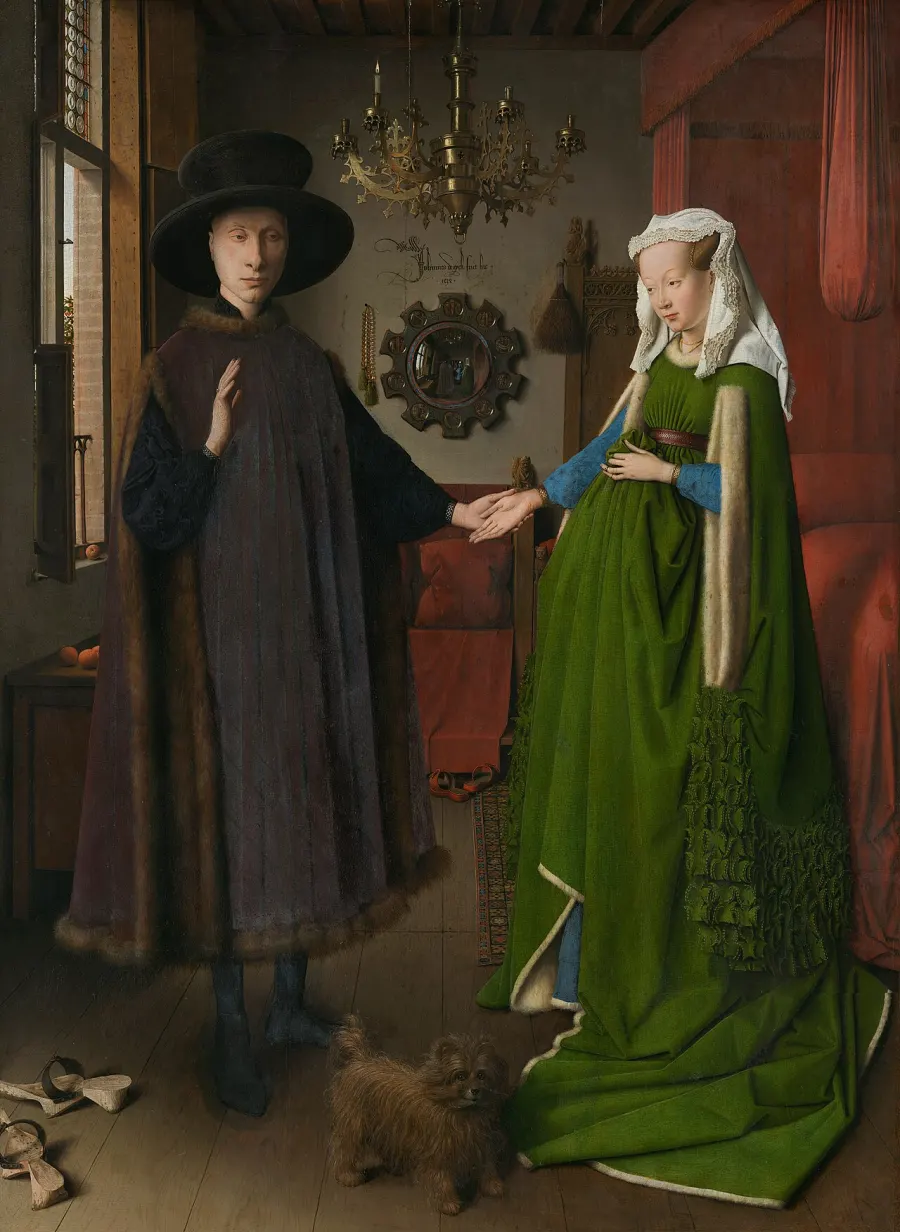
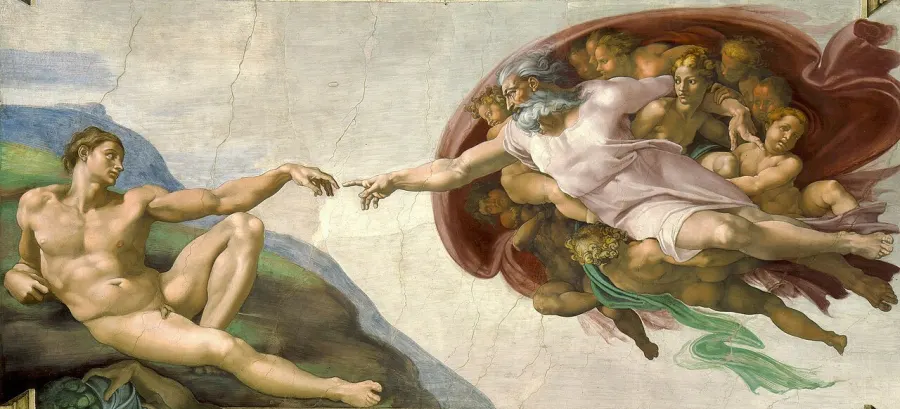
Renaissance
How to recognise itBalanced compositions, linear perspective, classical architecture and idealised, naturalistic figures.
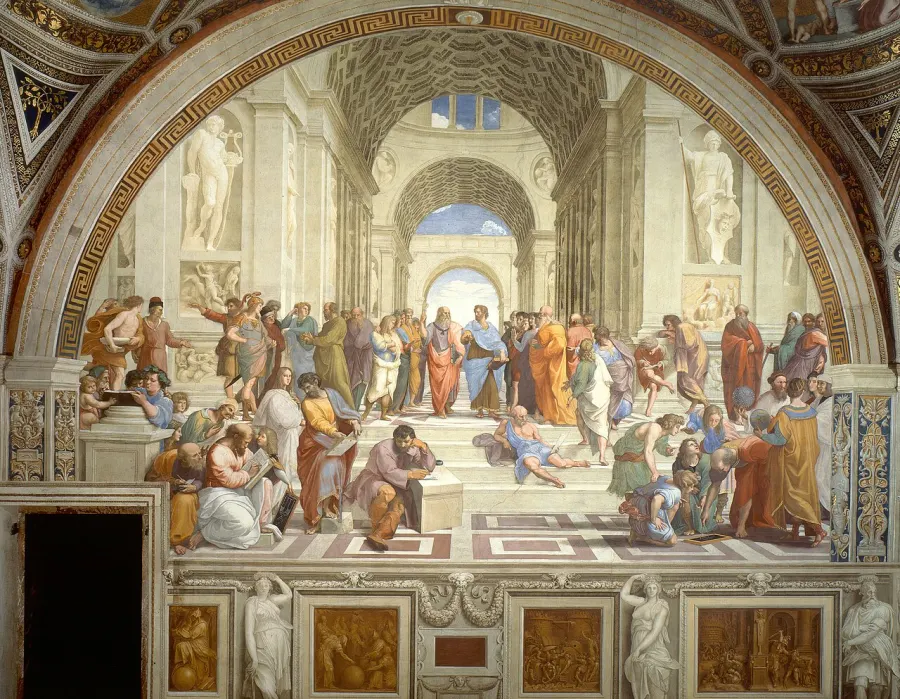
c. 1600–1750
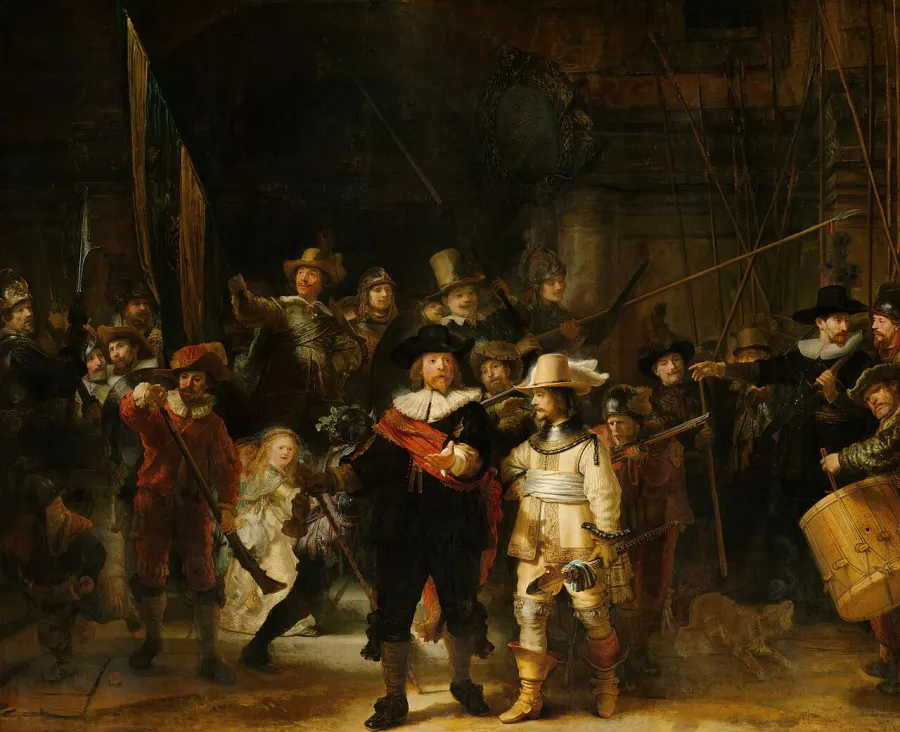
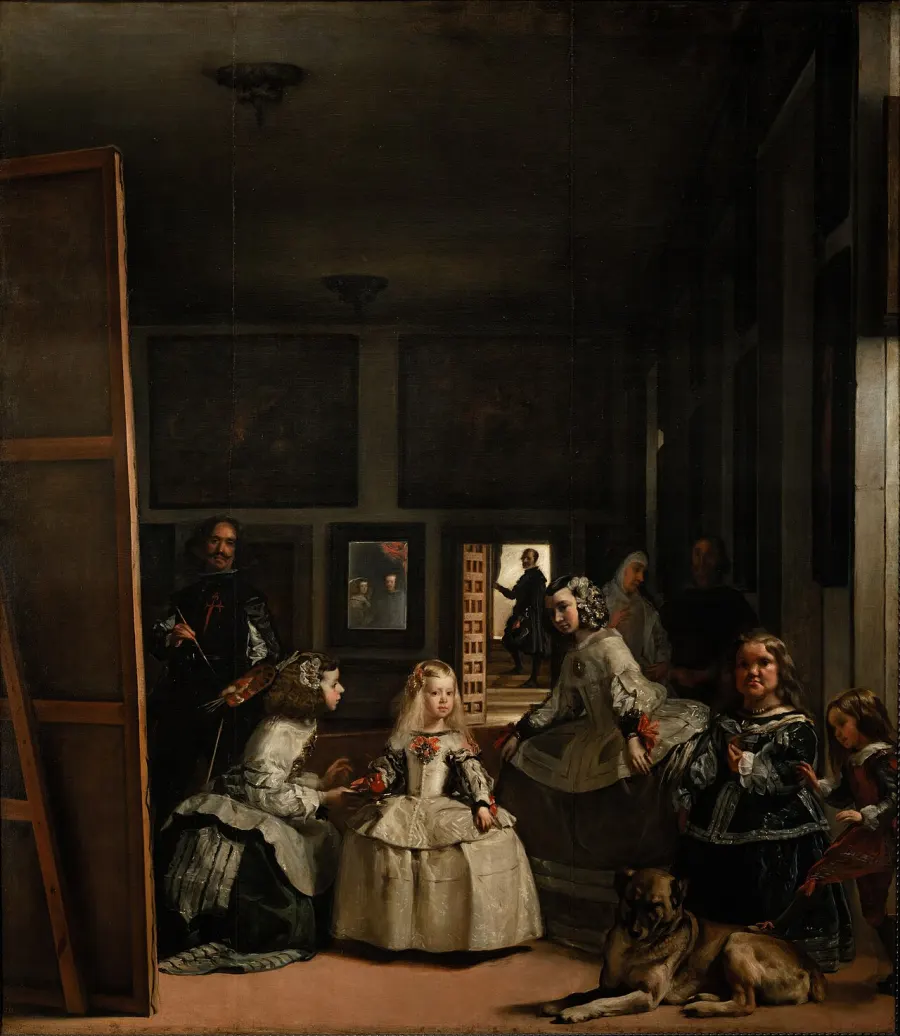
Baroque
How to recognise itDramatic light and shadow (chiaroscuro), movement, diagonals and strong emotion.
c. 1730–1780
Rococo
How to recognise itPastel colours, playful aristocratic scenes, curves and lightness.
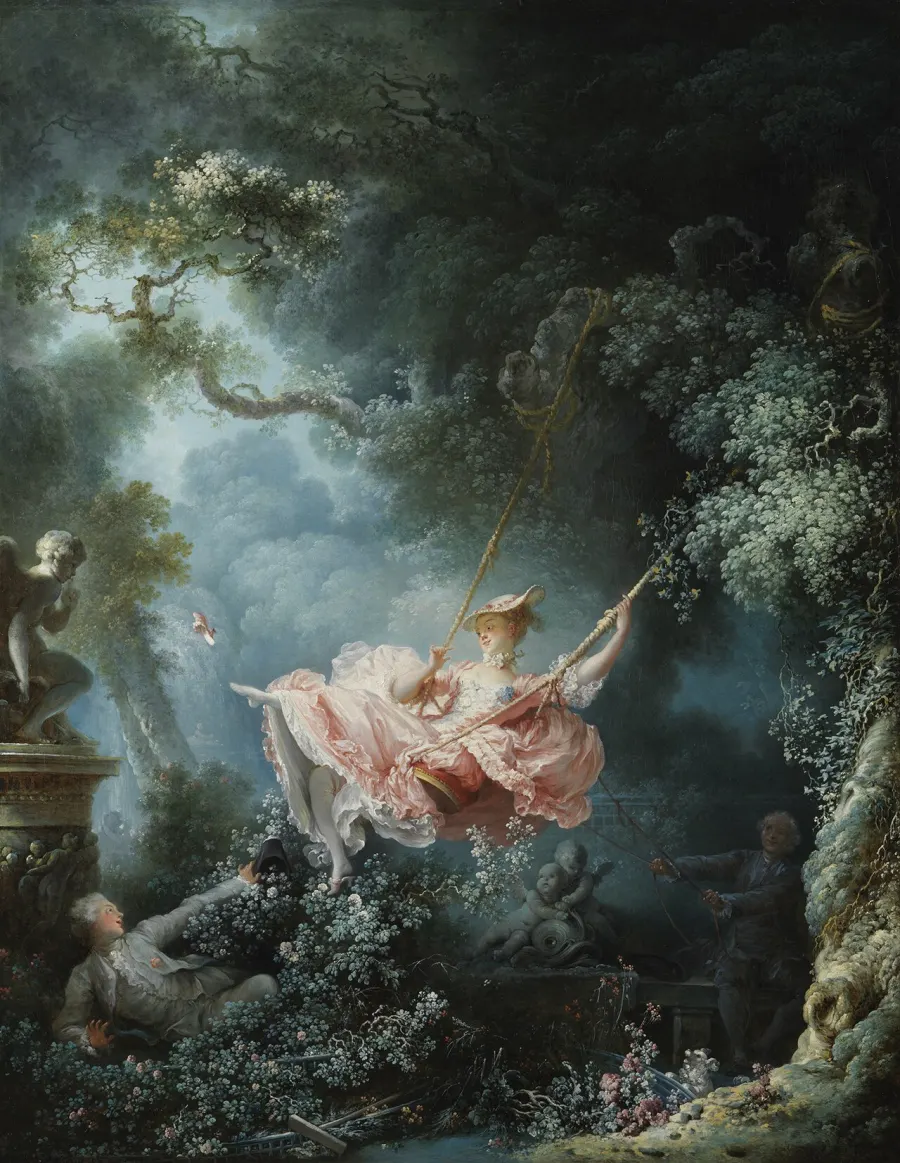
c. 1760–1830
Neoclassicism
How to recognise itCrisp outlines, smooth finish, stage-like composition and subjects from ancient history.
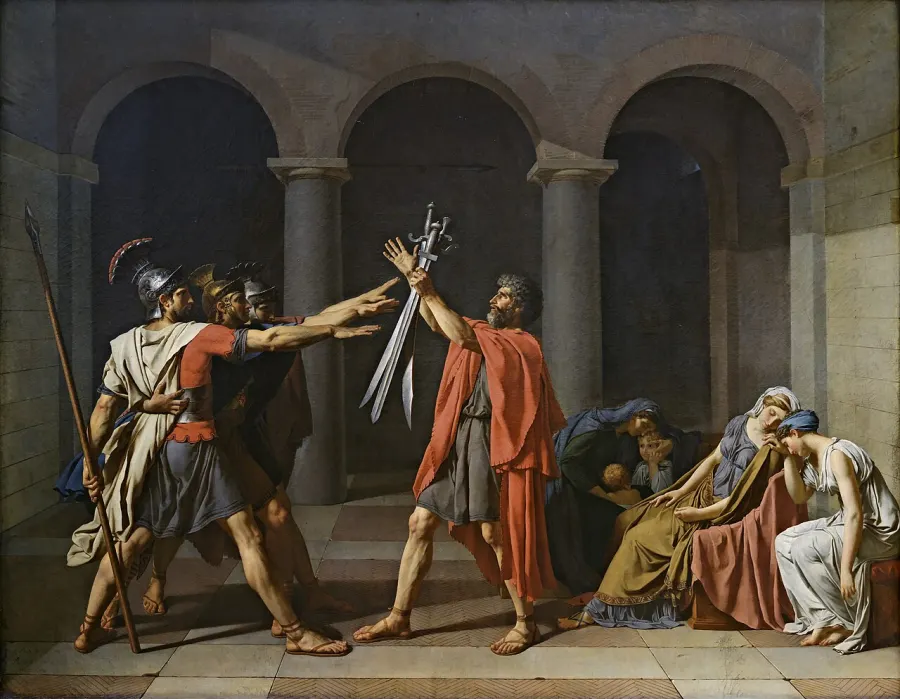
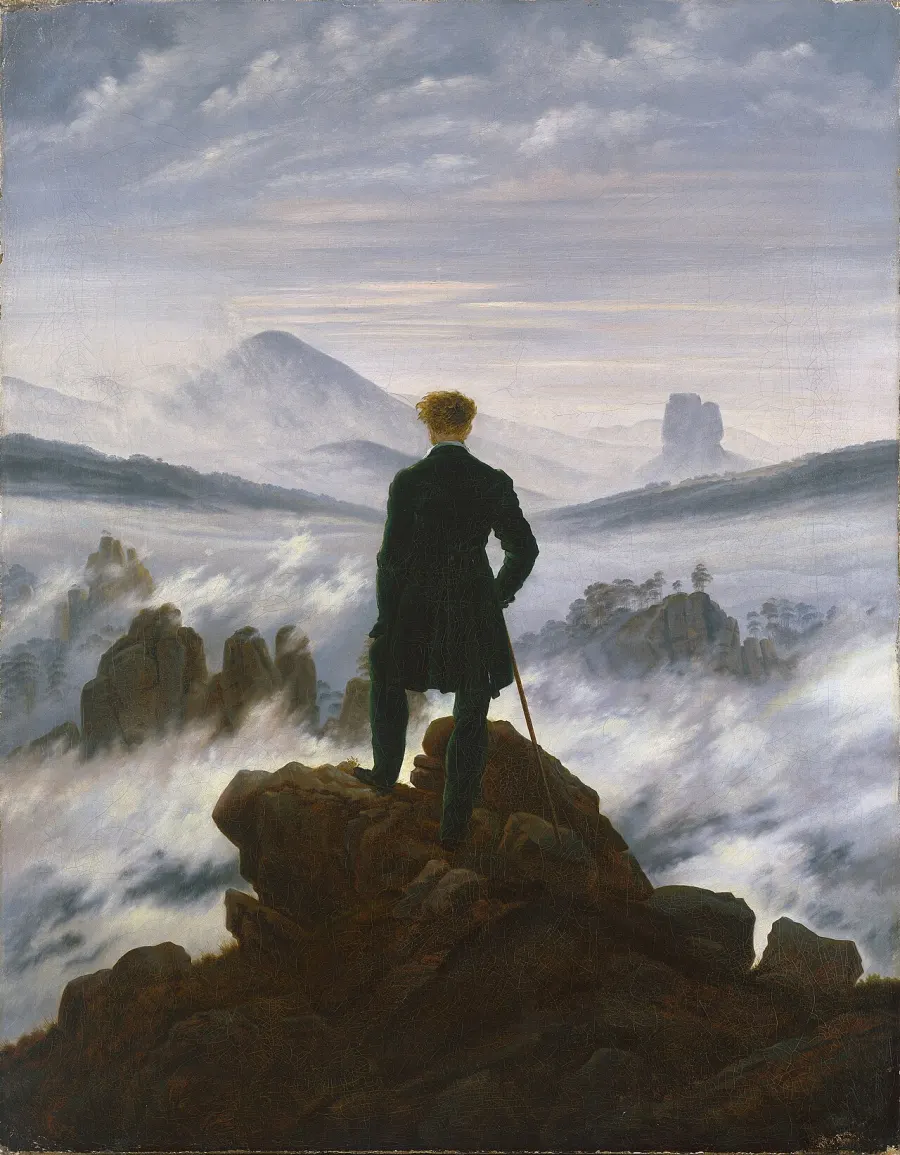
c. 1800–1850
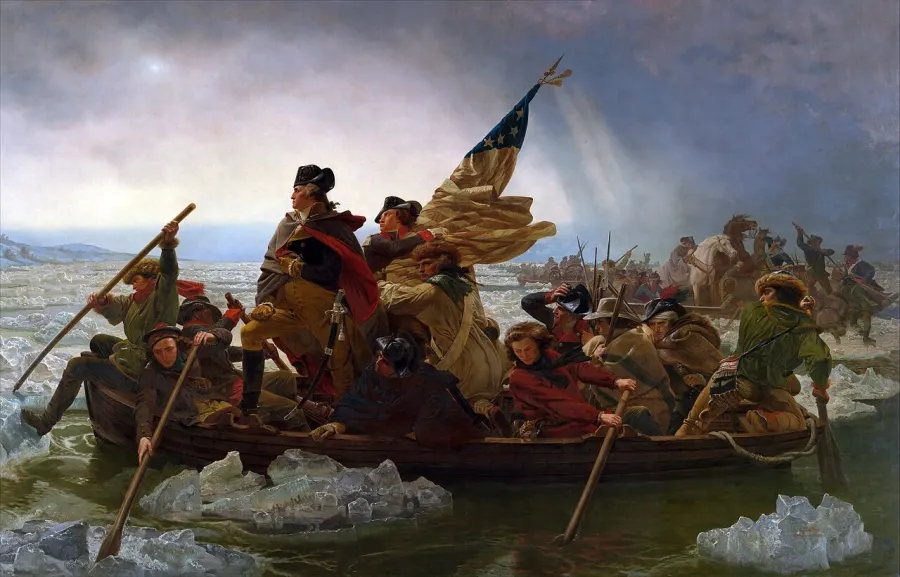
Romanticism
How to recognise itEmotion over reason: wild nature, storms, the sublime and dramatic historical moments.
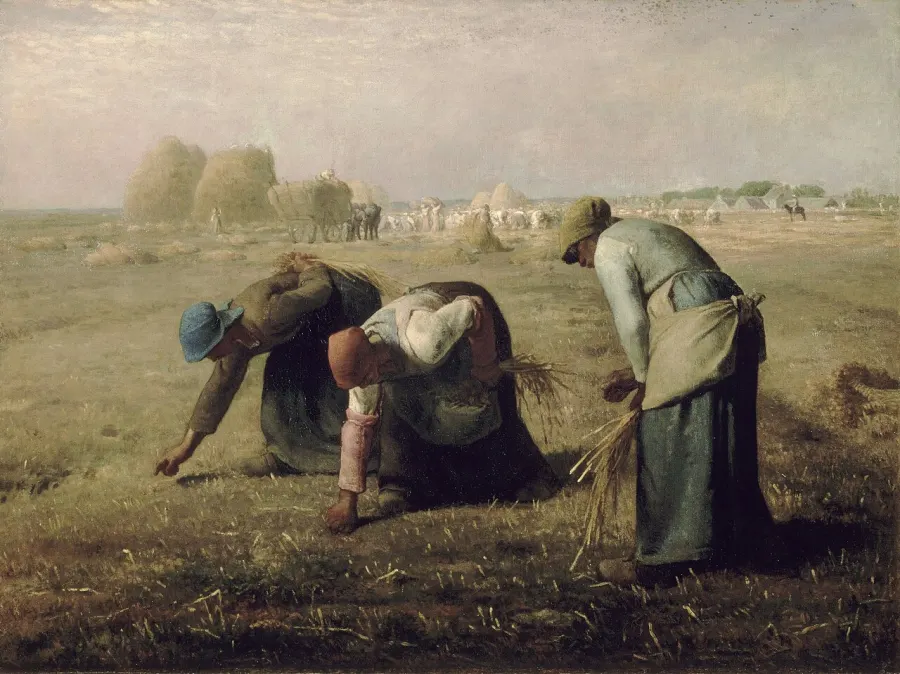
c. 1840–1880
Realism
How to recognise itOrdinary people and everyday work, painted without idealising them.
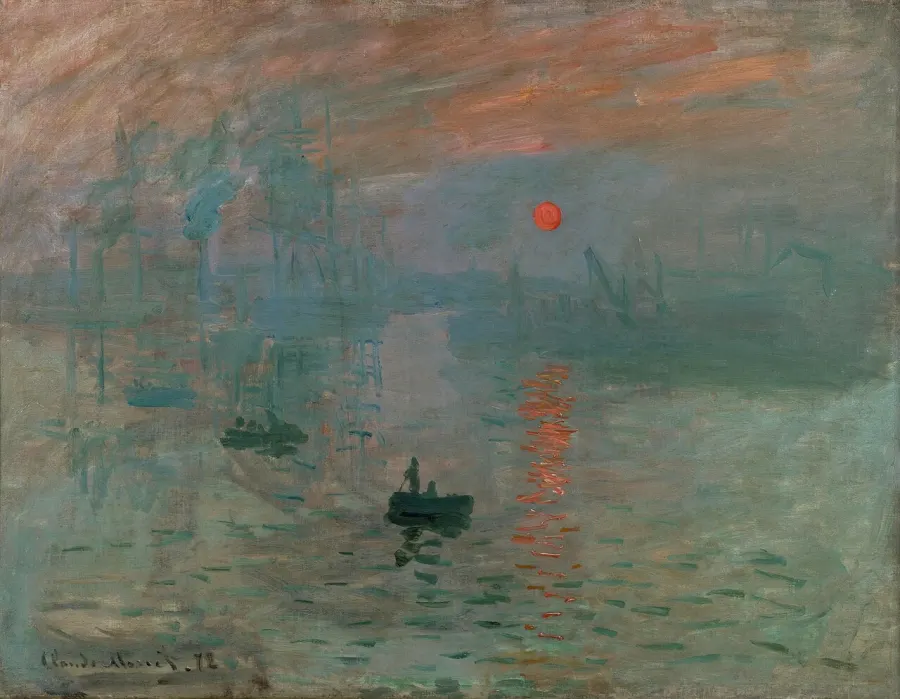
c. 1860–1890
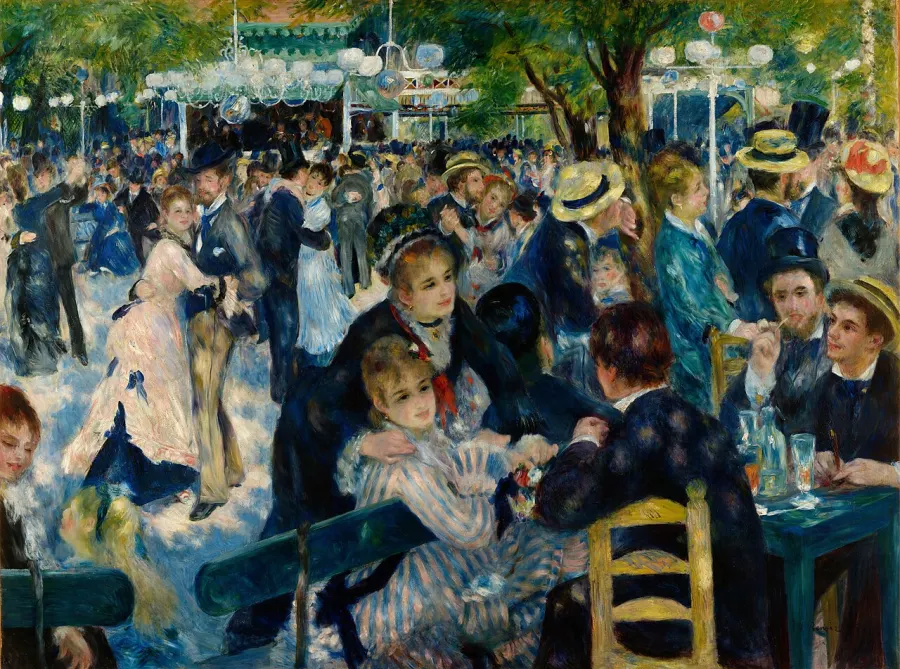
Impressionism
How to recognise itVisible, quick brushstrokes, light and its changing effects, outdoor scenes and modern life.
c. 1886–1905
Post-Impressionism
How to recognise itBold colour, expressive or structured brushwork and personal vision beyond what the eye sees.
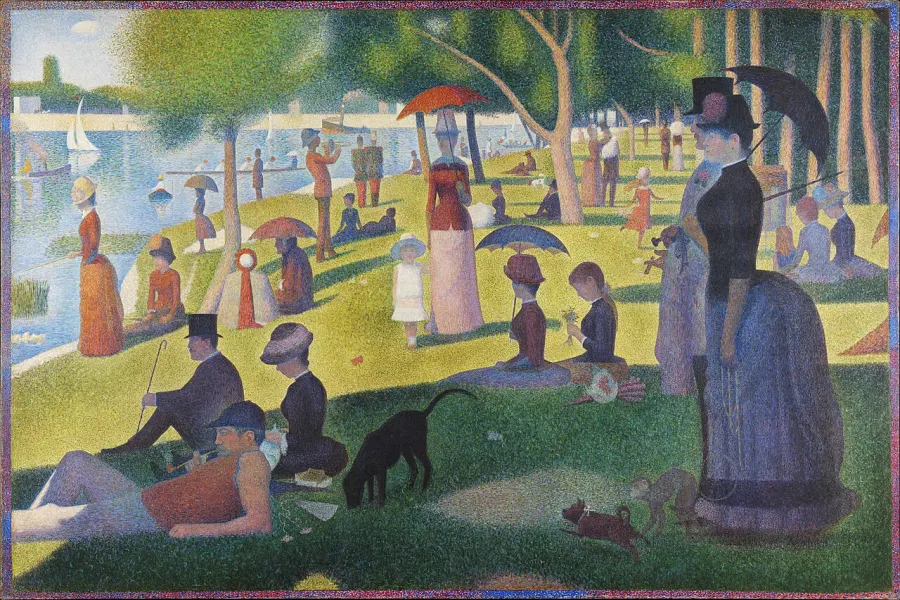
c. 1884–1900
Pointillism
How to recognise itTiny dots of pure colour that blend in the eye when you step back.
c. 1890–1910
Art Nouveau & Vienna Secession
How to recognise itDecorative patterns, flowing lines, flat ornament and often gold.
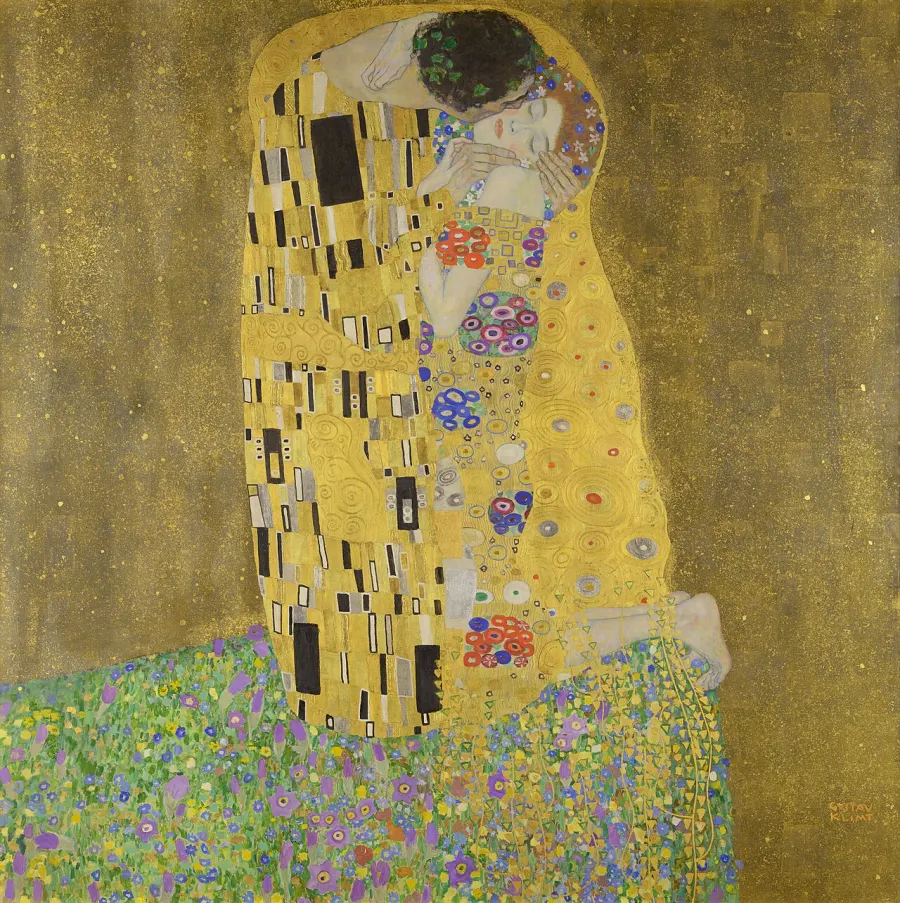
c. 1905–1925
Expressionism
How to recognise itDistorted forms and intense, unnatural colour to show inner feeling rather than reality.
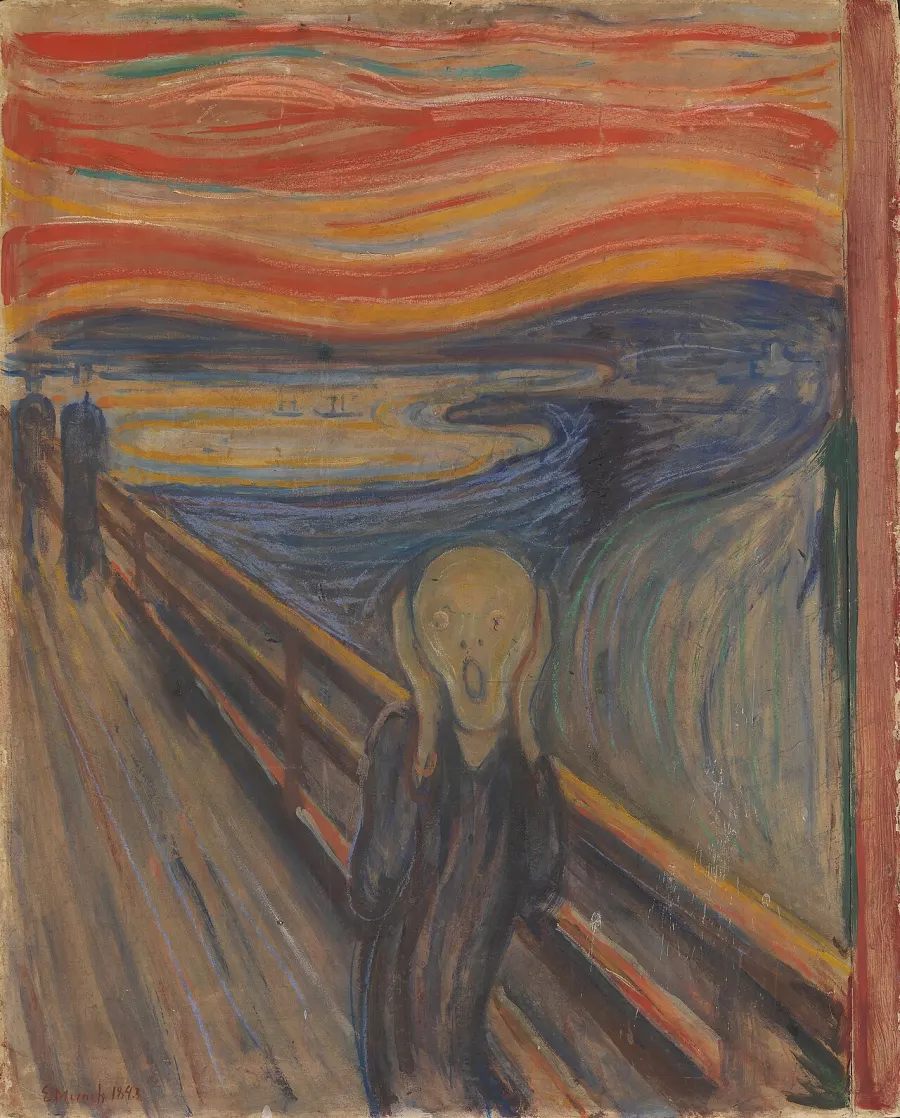
c. 1907–1920
Cubism
How to recognise itObjects broken into geometric facets and shown from several viewpoints at once.
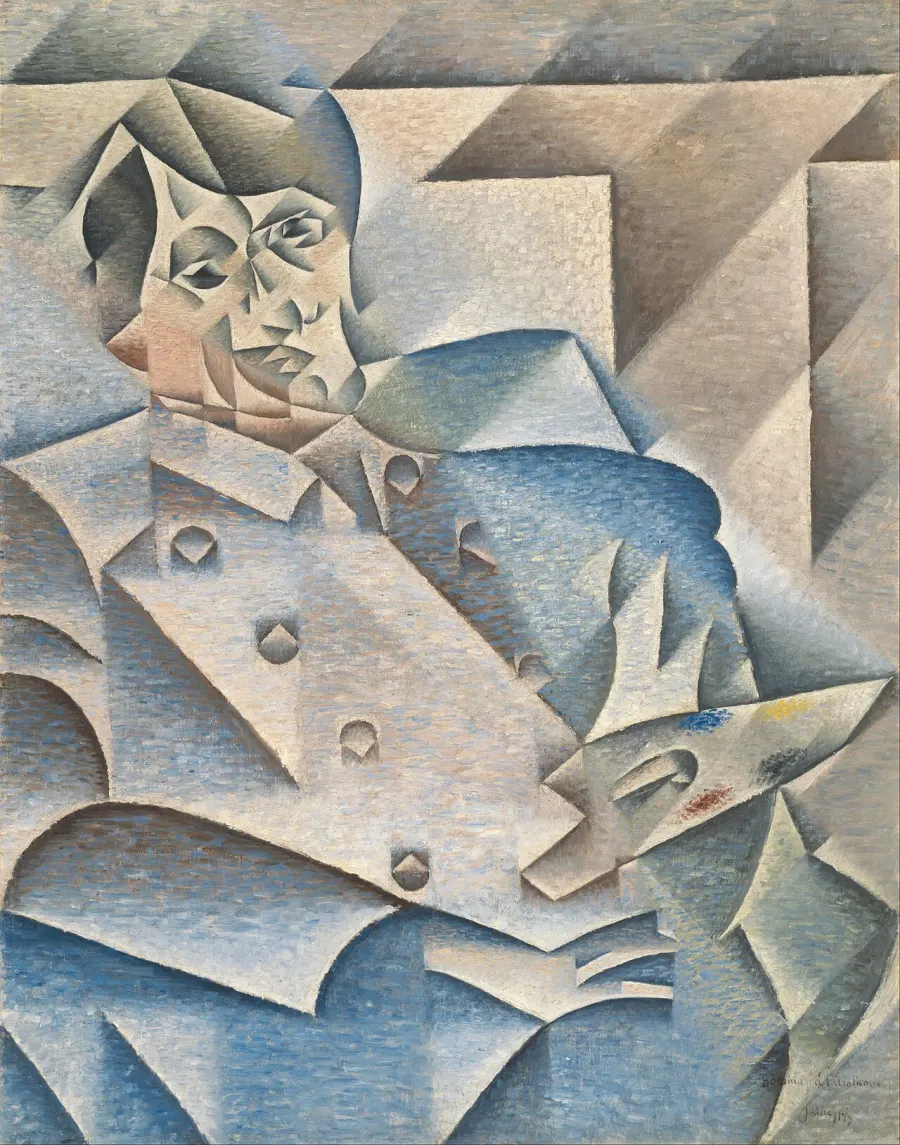
c. 1910 →
Abstract art
How to recognise itNo recognisable subject: colour, line and shape are the subject.
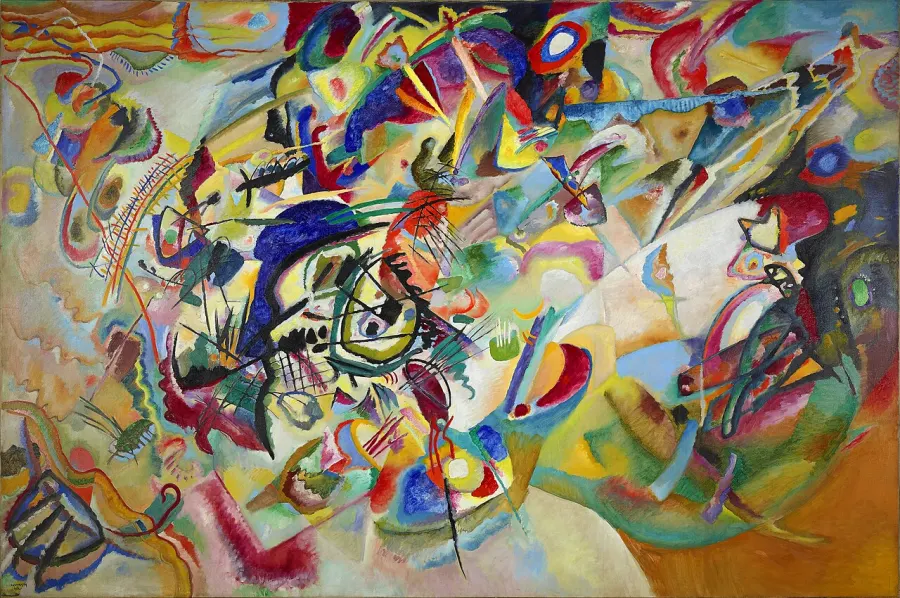
c. 1924–1950
Surrealism
How to recognise itDream logic: realistic painting of impossible scenes, melting or floating objects.
c. 1955–1970
Pop Art
How to recognise itImages from advertising, comics and consumer products, flat bright colours and repetition.
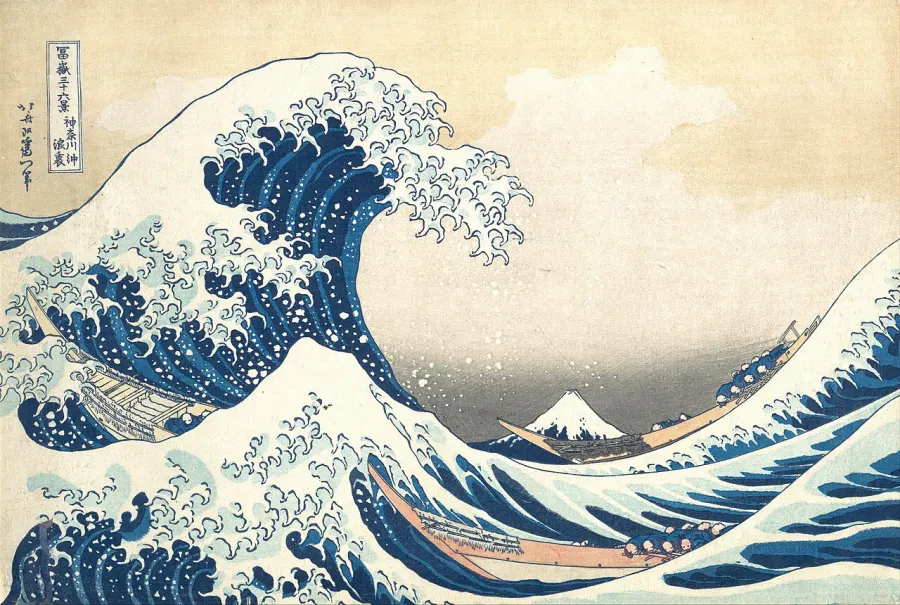
c. 1650–1900
Ukiyo-e (Japanese woodblock prints)
How to recognise itStrong outlines, flat colour areas, bold cropping; a big influence on Impressionists and Van Gogh.


Standing in front of a work that isn't on this list? Snap it with Artwork Identifier and read its story.


Keep exploring