Artwork Identifier
Art styles
Art style finder
Not sure which movement a painting belongs to? Answer four questions and see the three most likely styles, with a famous example of each.

What does the picture show?
What does the brushwork look like?
How are light and colour?
What's the mood or theme?
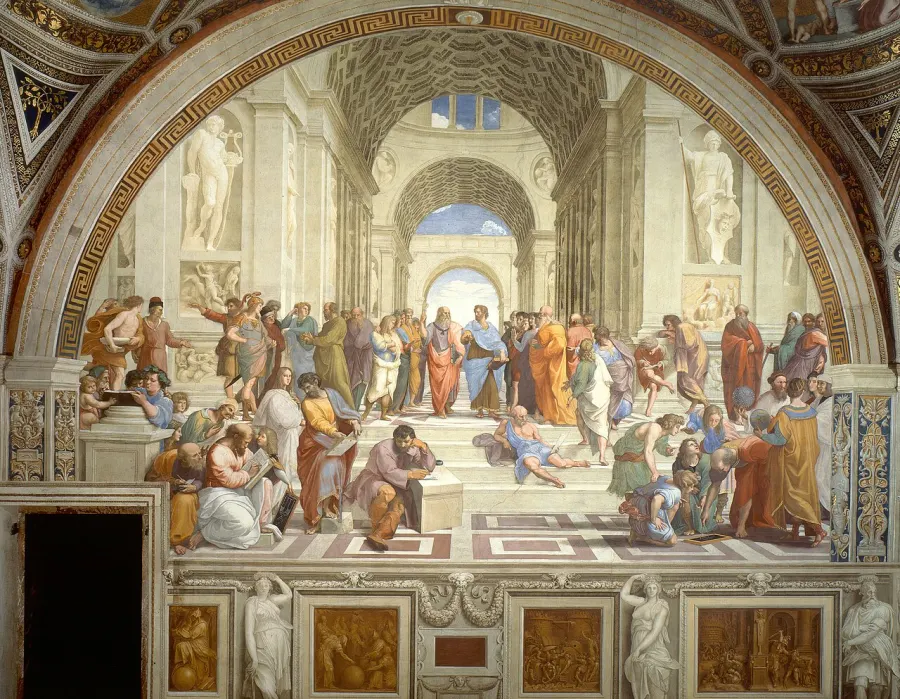
Balanced compositions, linear perspective, classical architecture and idealised, naturalistic figures.
Read about this style →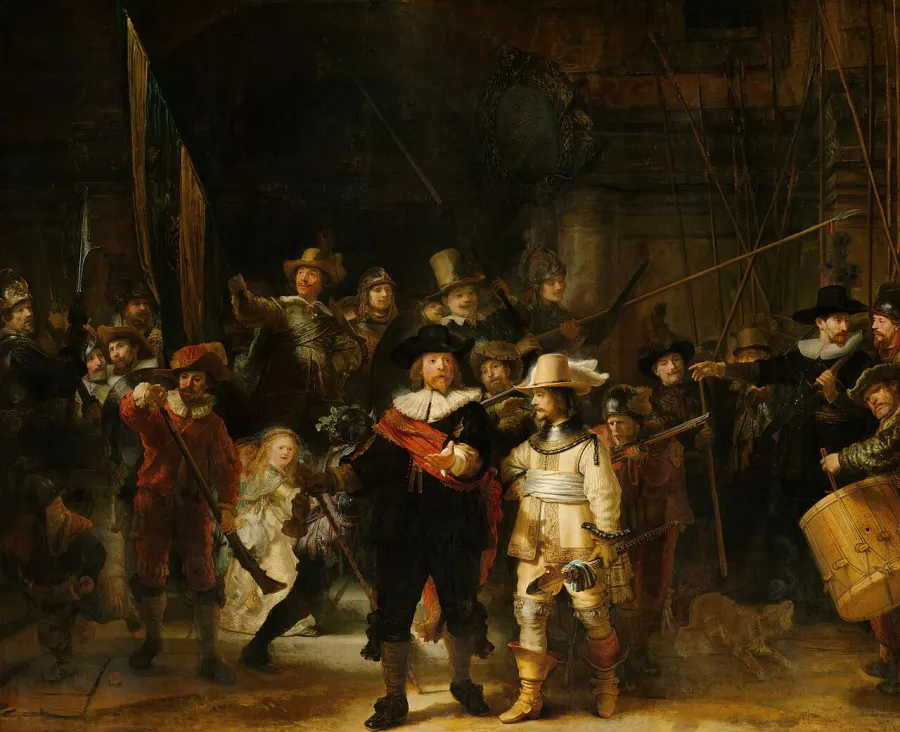
Dramatic light and shadow (chiaroscuro), movement, diagonals and strong emotion.
Read about this style →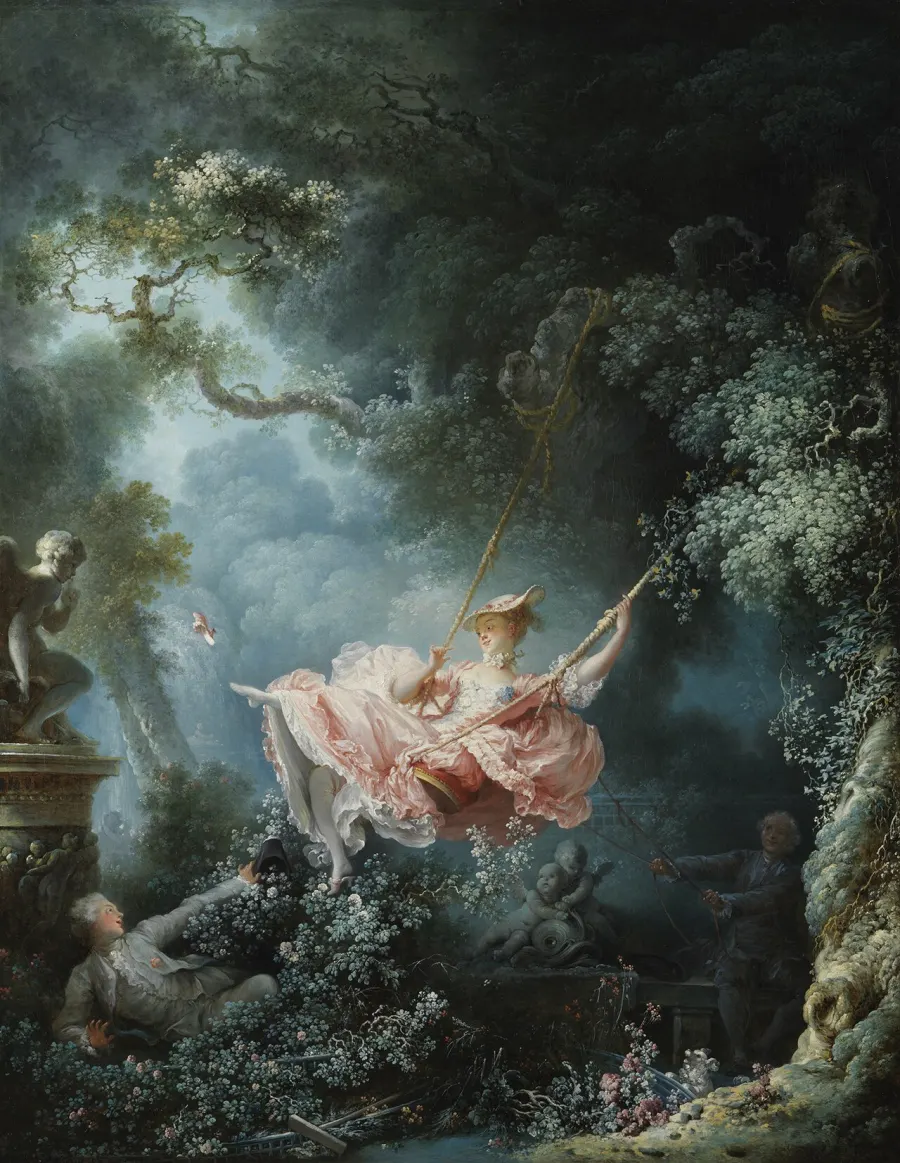
Pastel colours, playful aristocratic scenes, curves and lightness.
Read about this style →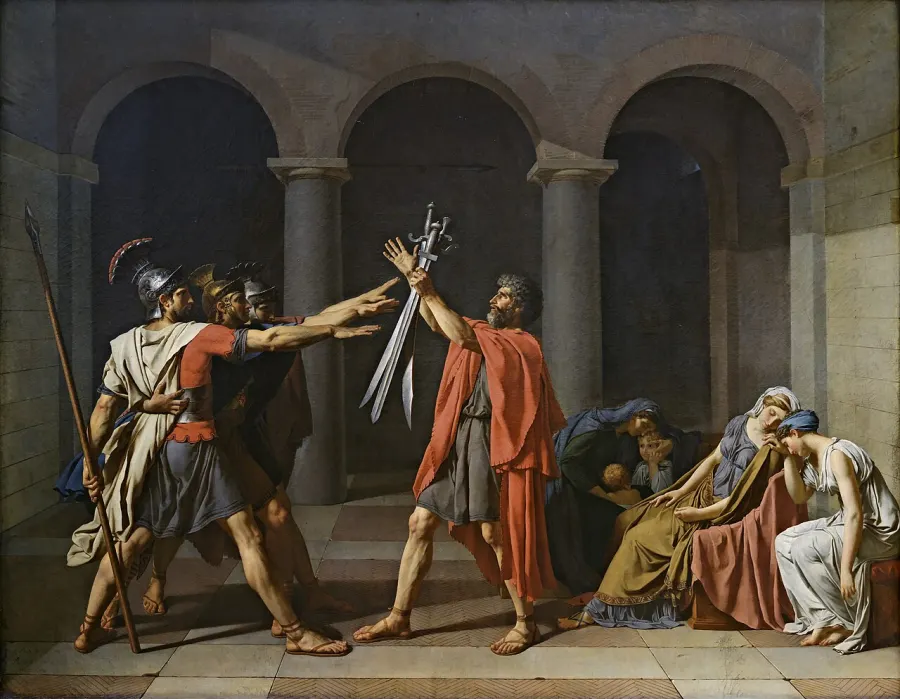
Crisp outlines, smooth finish, stage-like composition and subjects from ancient history.
Read about this style →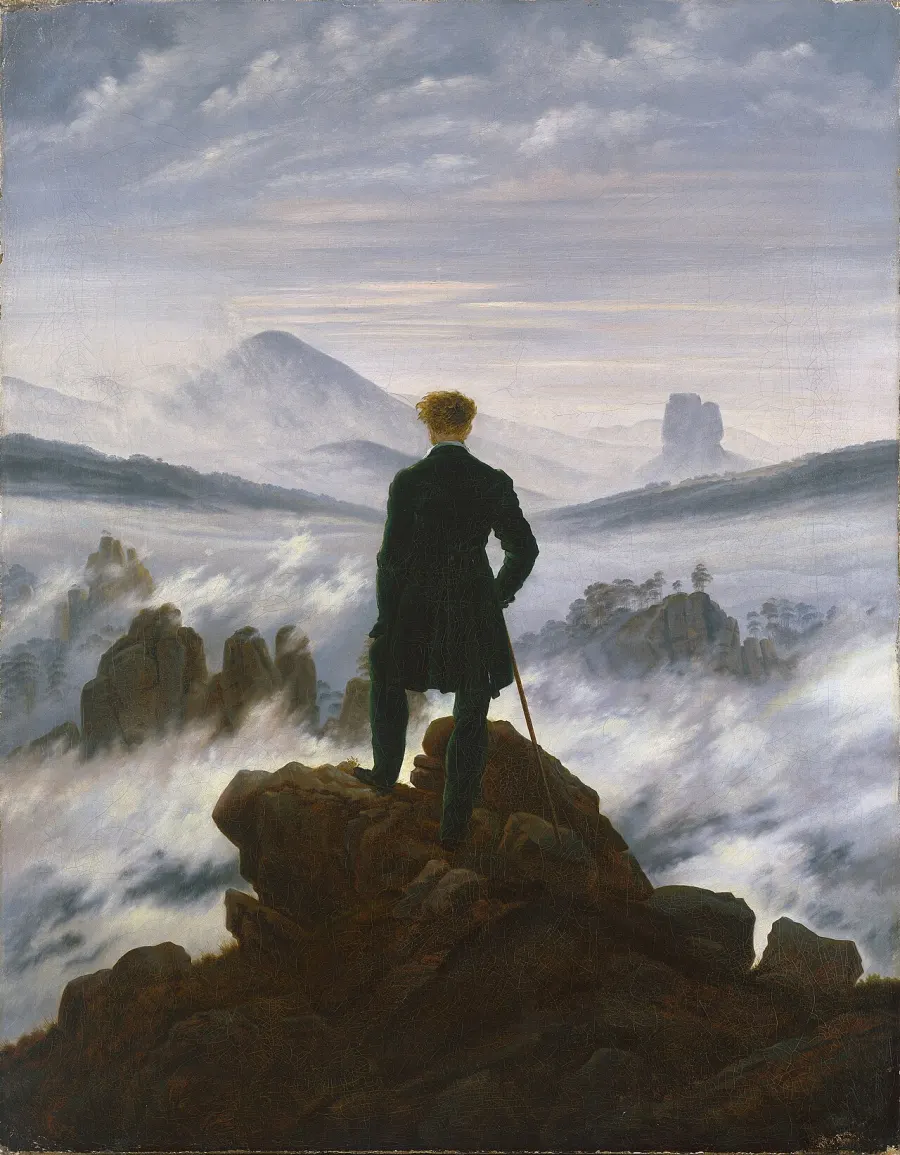
Emotion over reason: wild nature, storms, the sublime and dramatic historical moments.
Read about this style →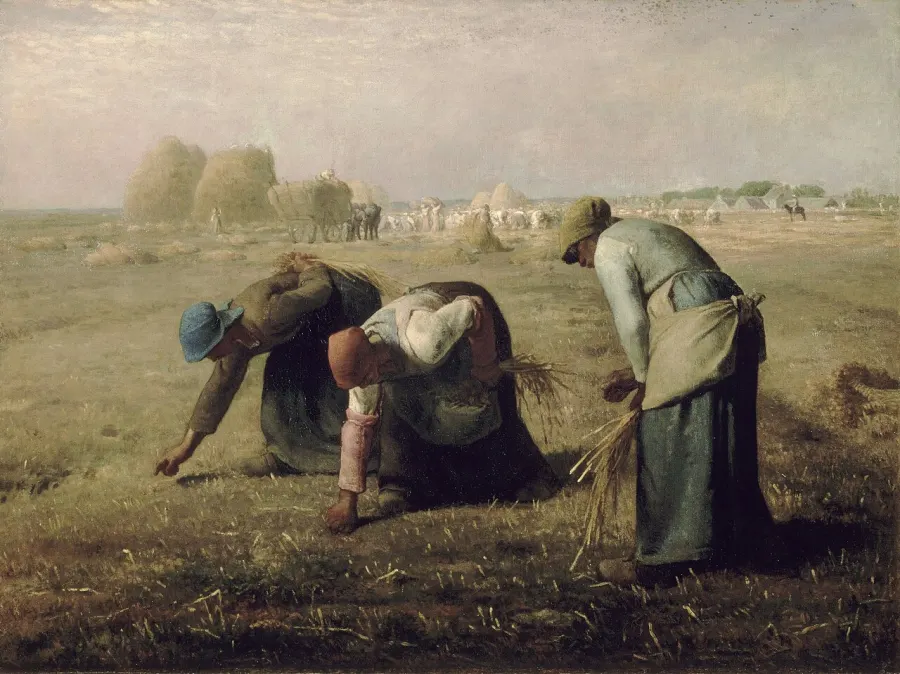
Ordinary people and everyday work, painted without idealising them.
Read about this style →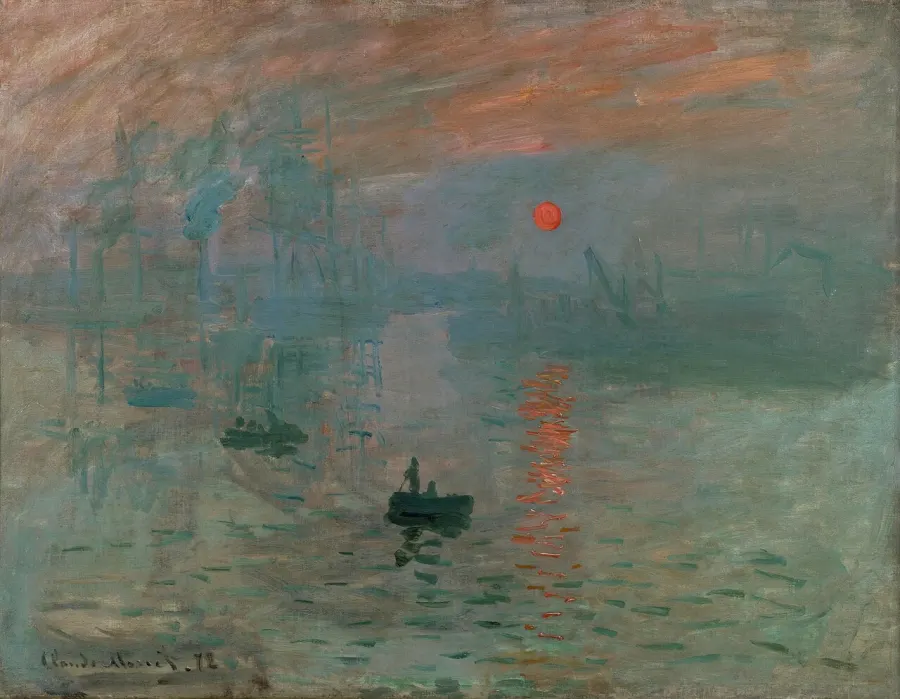
Visible, quick brushstrokes, light and its changing effects, outdoor scenes and modern life.
Read about this style →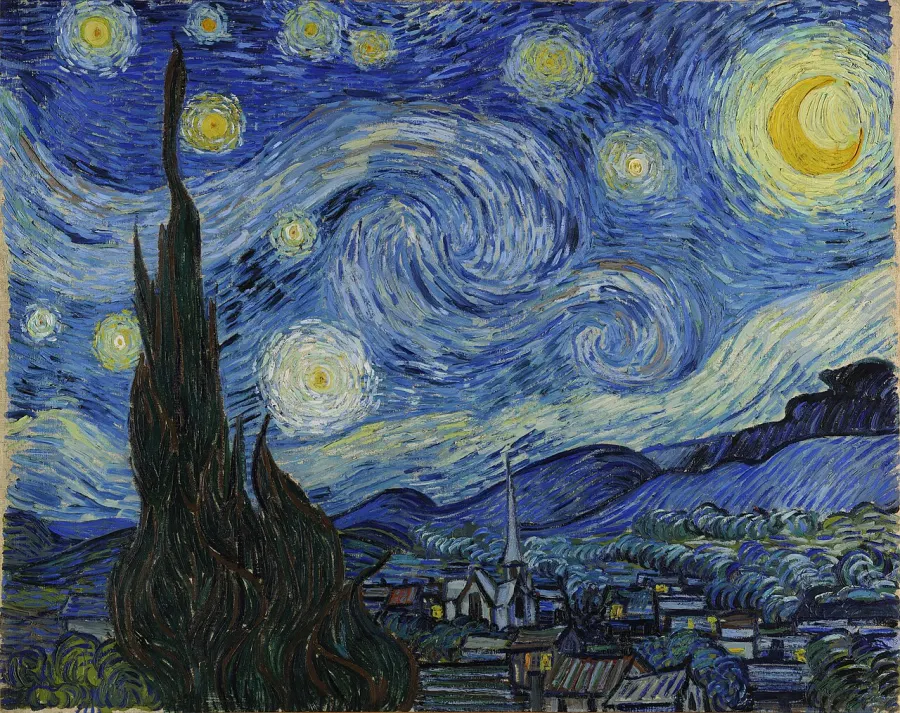
Bold colour, expressive or structured brushwork and personal vision beyond what the eye sees.
Read about this style →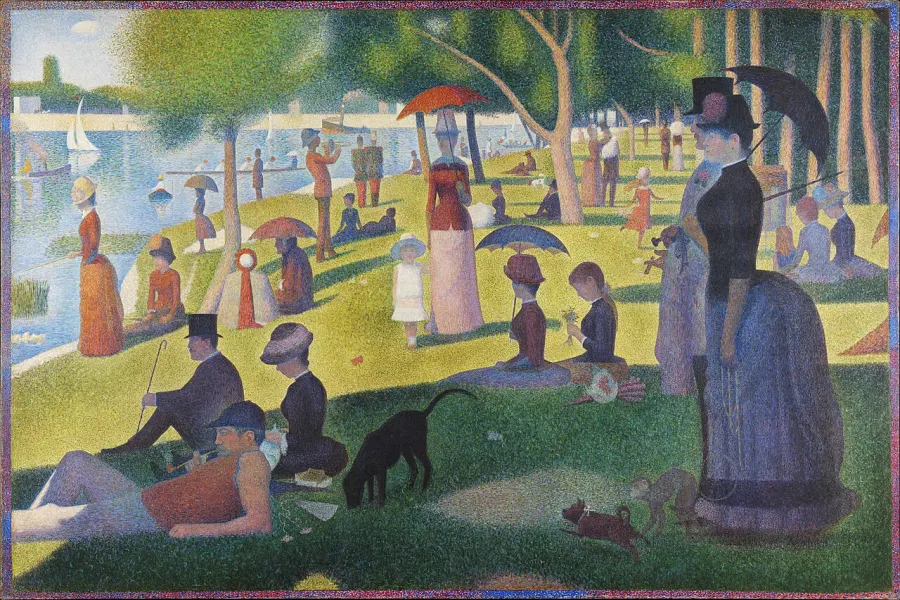
Tiny dots of pure colour that blend in the eye when you step back.
Read about this style →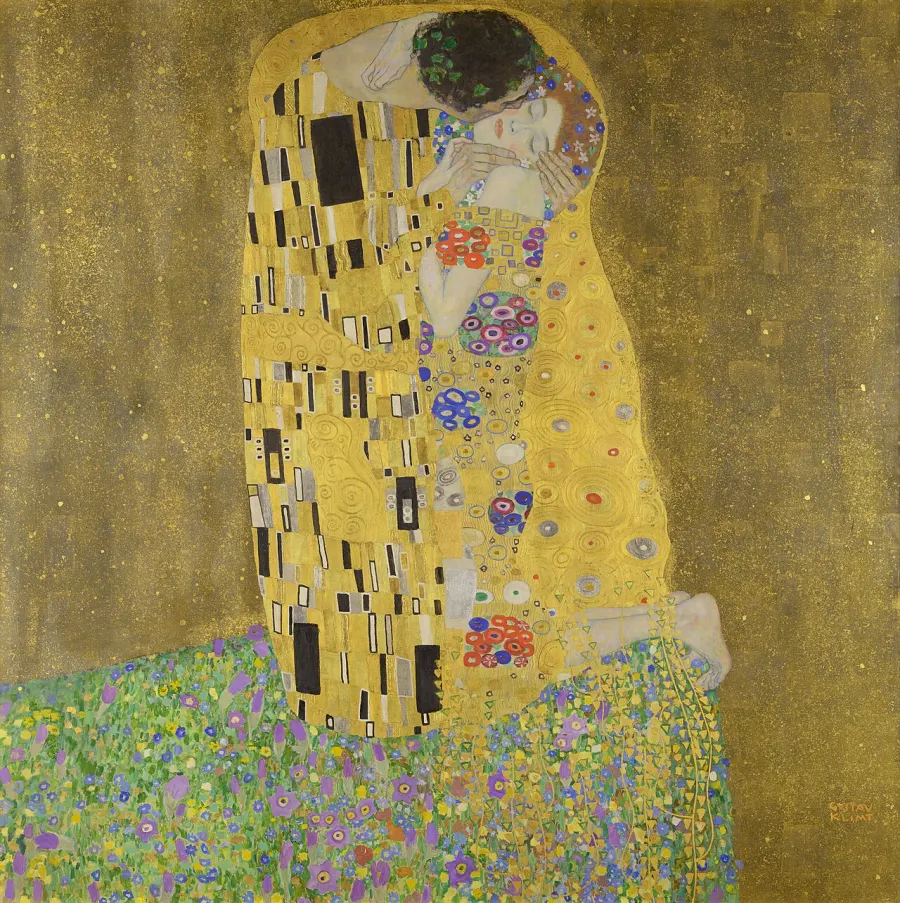
Decorative patterns, flowing lines, flat ornament and often gold.
Read about this style →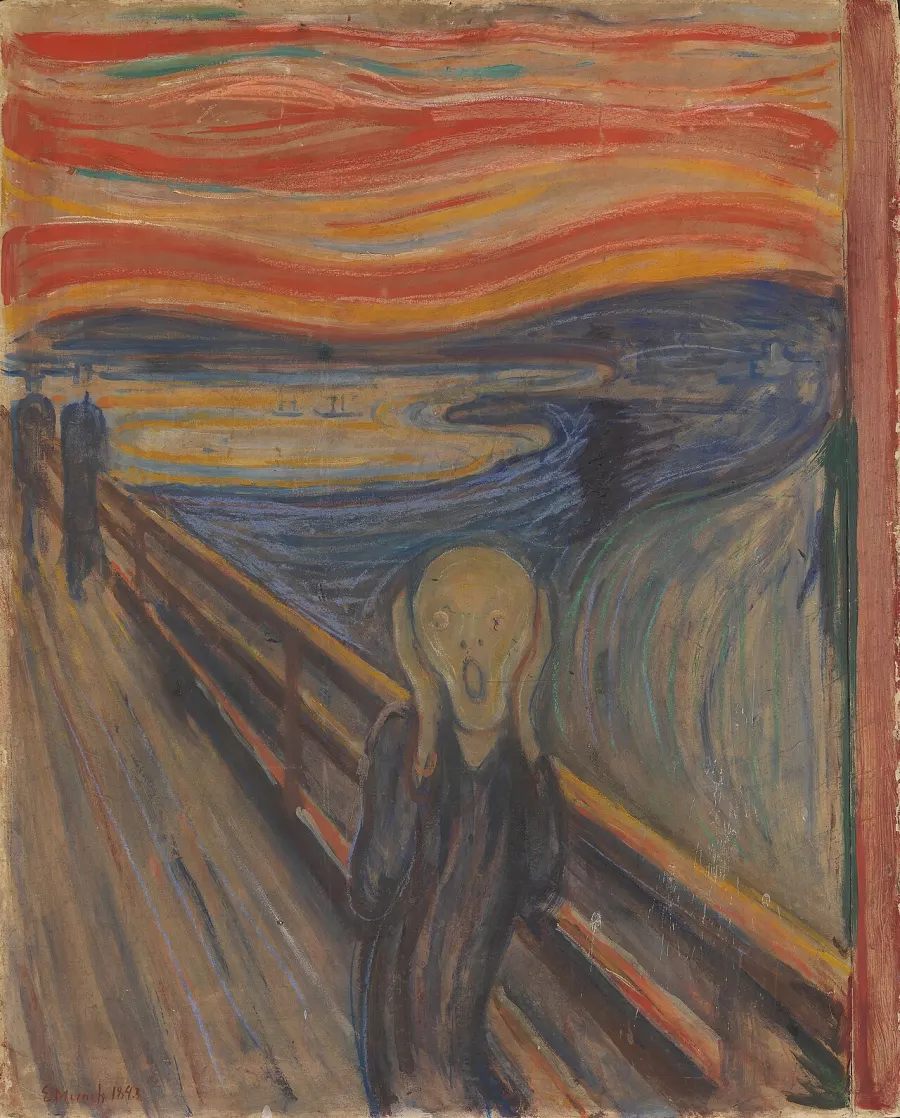
Distorted forms and intense, unnatural colour to show inner feeling rather than reality.
Read about this style →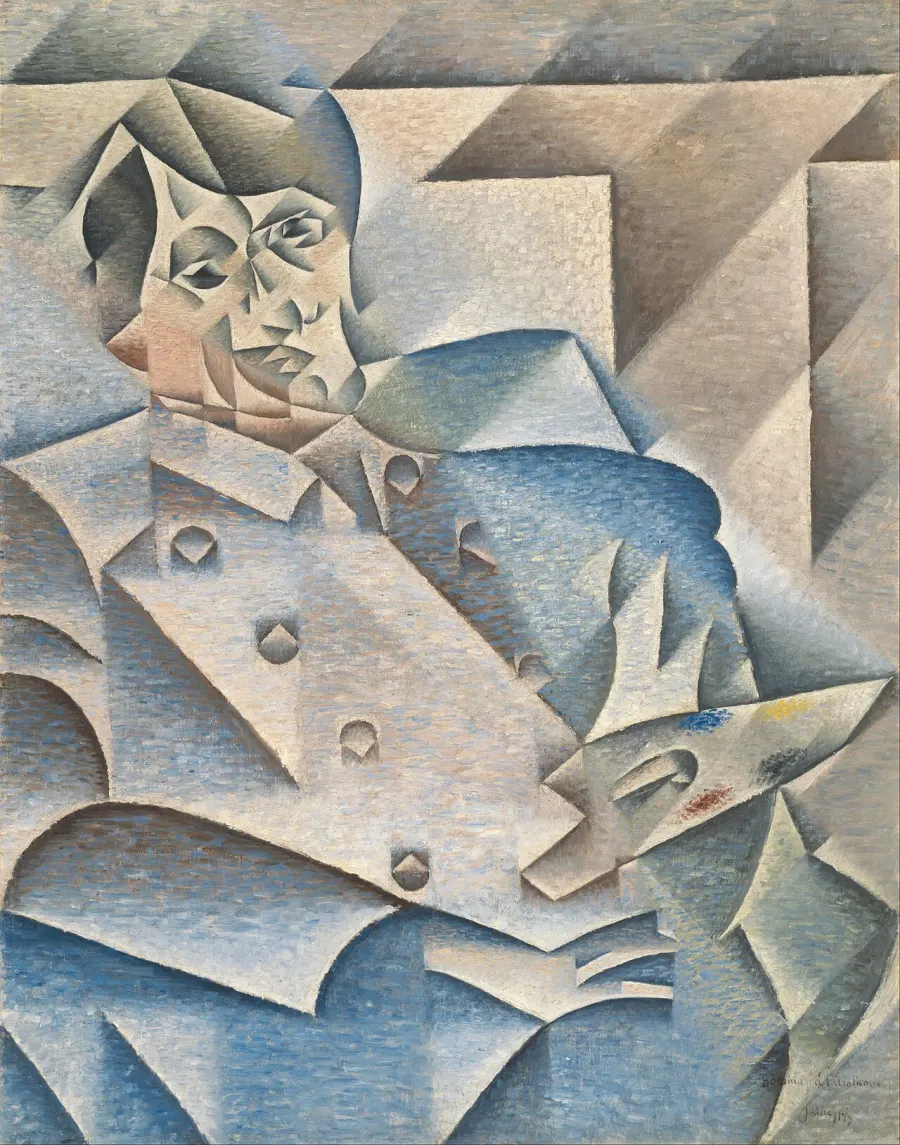
Objects broken into geometric facets and shown from several viewpoints at once.
Read about this style →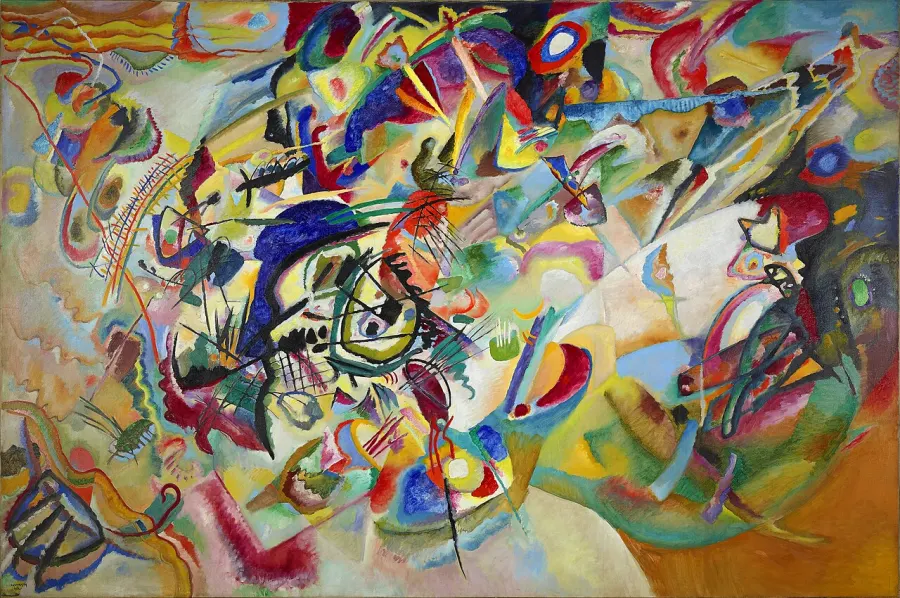
No recognisable subject: colour, line and shape are the subject.
Read about this style →Dream logic: realistic painting of impossible scenes, melting or floating objects.
Read about this style →Images from advertising, comics and consumer products, flat bright colours and repetition.
Read about this style →
Strong outlines, flat colour areas, bold cropping; a big influence on Impressionists and Van Gogh.
Read about this style →Snap it with Artwork Identifier: it names the work, the artist and the date, and tells you the story.
Identify it free in the app Scan with your phone camera to get the app
How it works
Each answer points to the movements that typically share that feature; the finder ranks them by how many of your answers match. Real paintings often mix influences, so treat the result as a starting point — the art styles guide explains each movement.
Standing in front of a work that isn't on this list? Snap it with Artwork Identifier and read its story.


FAQ
Can a painting belong to more than one style?
Yes. Many artists moved between styles, and movements overlap in time. That's why the finder shows three suggestions.
How do I find the exact artist?
Use an artwork identifier app or reverse image search, then check the signature and the back of the painting.
Keep exploring